Quick Answer – Updated 2026
What does public liability insurance cover in Singapore?
Public liability insurance generally covers third-party bodily harm, damage to third-party property, legal costs and compensation expenses resulting from such accidents. It does not protect against employee injuries; for that, Work Injury Compensation Insurance is required.
Key Takeaways
- Public liability insurance protects against third-party claims: It helps cover injuries, property damage, legal fees, and compensation linked to your business activities.
- It is not compulsory by law in Singapore: Even so, it is strongly recommended for businesses that deal with customers, visitors, or the public.
- It can help you win and keep business: Many landlords, clients, and contract partners may require proof of cover before working with you.
- Coverage needs depend on your risk profile: Many businesses choose between S$1 million and S$5 million per claim, while higher-risk sectors may need more.
- The right policy requires careful review: Businesses should compare coverage limits, exclusions, claims support, and insurer documentation requirements before buying.
Scope and Coverage of Public Liability Insurance
- Third-party bodily harm
- Third-party property damage
- Legal costs and compensation expenses
Public liability insurance is an essential part of business insurance, safeguarding against claims from third parties who have experienced injuries or property damage due to your business operations. This insurance covers legal fees, compensation claims, and other related expenses.
Although not legally required in Singapore, it is strongly advised for businesses that engage with the public or have a physical location where accidents could happen. This guide will explore key concepts, coverage, benefits, and considerations for selecting a public liability insurance policy, along with details on the claim process, premiums, and special considerations.
What is Public Liability Insurance?

At its core, public liability insurance is a key form of business cover that shields you when a third party suffers injury or damage to their property because of how your business operates. Singapore does not require it by law, yet it acts as an important safeguard, picking up legal fees, compensation payouts, and other costs tied to these incidents.
This cover matters most for businesses that deal directly with the public or run from a physical location. It brings a real sense of security, freeing owners to concentrate on running and growing their operations instead of worrying about the financial fallout from a sudden legal claim.
There is also a practical, commercial side to it. Plenty of deals and partnerships hinge on having this cover in place. Contractors, freelancers, and event organisers frequently need to show proof of public liability insurance before they can sign a contract or take on a project, which turns it into more than protection alone – it becomes a way to open doors and win work.
Core Concepts and Terms
Understanding the key concepts and terms associated with public liability insurance is crucial for making informed decisions. Here are some essential terms explained:
- Limit of Indemnity: This is the maximum amount an insurer will pay out in the event of a claim. Ensure this limit adequately covers potential claims related to your business activities.
- Excess: This is the amount the policyholder must pay towards a claim. For example, if your policy has an excess of S$500 and you make a claim of S$2,000, the insurer will pay S$1,500, and you will cover the remaining S$500.
- Policy Period: This is the timeframe during which your insurance coverage is effective. Renew your policy before the end of each period to maintain continuous coverage.
- Exclusion: This term describes what is not covered by your policy. Read these carefully to understand the full scope of your coverage.
What is the Difference Between Public Liability Insurance and Other Types of Business Insurance?
There are various types of business insurance, each designed to cover specific risks. Public liability insurance differs from other common types of business insurance in the following ways:
- Employers’ Liability Insurance: While public liability insurance covers injuries or property damage sustained by third parties due to your business activities, employers’ liability insurance protects against claims from employees who suffer work-related injuries or illnesses.
- Professional Indemnity Insurance: This covers claims arising from professional errors or negligence, such as faulty advice or services. In contrast, public liability insurance deals with physical injuries or property damage.
- Product Liability Insurance: This insurance covers claims related to damage or injury caused by products your business supplies. Public liability insurance typically includes this, but if your business centers around selling or manufacturing products, you may require additional coverage.
Public Liability Insurance Coverage
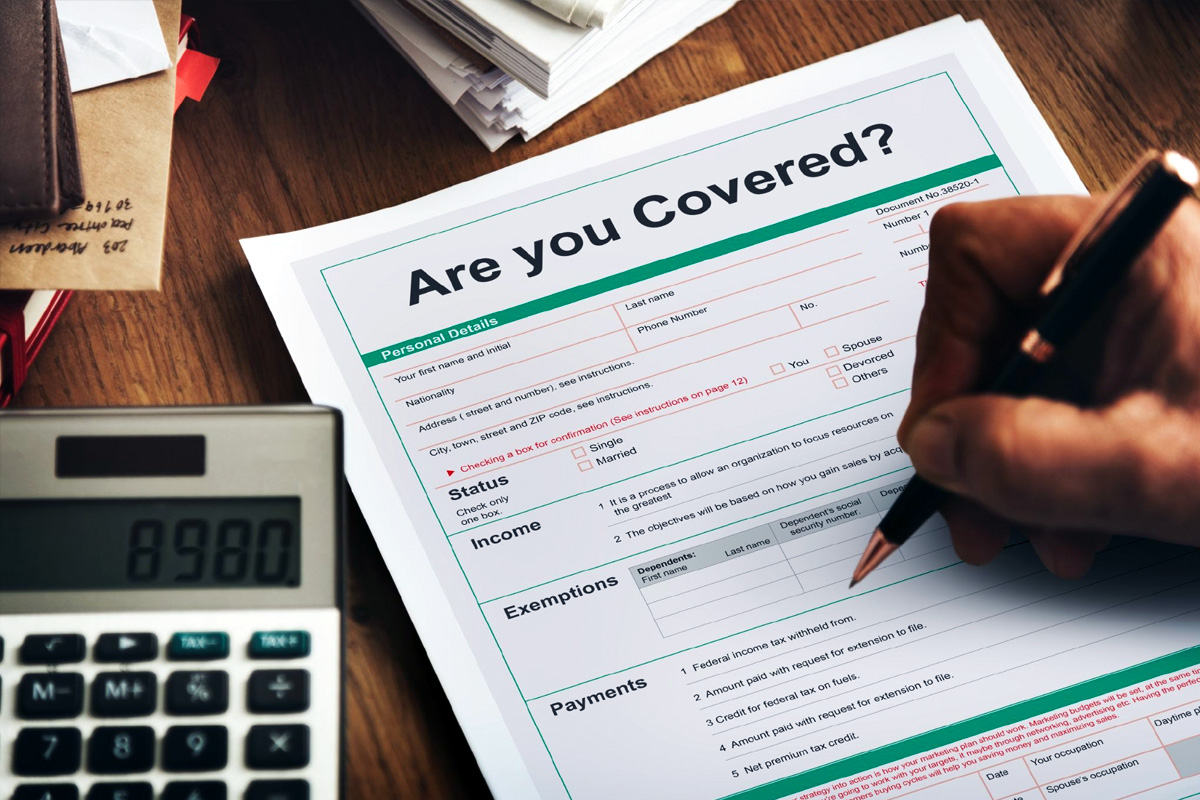
Public liability insurance in Singapore encompasses a broad range of incidents and scenarios. Coverage typically extends to bodily injuries sustained by customers, suppliers, or other third parties on your premises or due to your business activities.
Property damage coverage addresses situations where your business activities result in damage to third-party property, while legal fee coverage ensures protection against the costs of defending claims and paying settlements.
Different business sectors require varying levels of coverage based on their risk profiles. The retail and hospitality sectors, with their high customer traffic, often require substantial coverage.
Construction businesses, operating in inherently risky environments, need comprehensive coverage for potential damages to property and injuries to subcontractors or visitors. Even professional services firms, while facing different types of risks, require coverage for scenarios such as client injuries on their premises.
What is the Minimum Public Liability Insurance Coverage Needed?
Singapore does not set a universal minimum public liability insurance coverage by law, so the amount you need depends on your industry, your contracts, and any conditions imposed by landlords or clients.
In practice, most businesses carry coverage ranging from S$1 million to S$5 million per claim, with higher-risk sectors such as construction, events, or food and beverage often required to hold more.
Commercial landlords and larger clients may also stipulate a specific minimum before signing a lease or contract, so it is worth reviewing these requirements early.
What Are the Benefits of Public Liability Insurance?

The advantages of maintaining public liability insurance extend beyond mere financial protection. While the primary benefit involves coverage for legal expenses and potential compensation claims, the insurance also demonstrates your commitment to responsible business practices.
This commitment enhances your business credibility and provides peace of mind to clients and partners, potentially opening doors to new business opportunities.
What to Consider When Choosing a Public Liability Insurance Policy
When selecting a public liability insurance policy, careful consideration of several key factors ensures optimal coverage for your business needs.
First, evaluate the nature of your business activities and associated risks thoroughly. Different business operations present varying levels of risk, and your policy should adequately cover all potential scenarios specific to your industry.
Policy limits require careful attention, as they determine the maximum coverage available for claims. These limits should align with your potential liabilities, considering factors such as business size, customer interaction frequency, and industry-specific risks.
Understanding policy exclusions is equally crucial, as these define situations or circumstances not covered by your insurance. A thorough review of exclusions helps avoid surprises during claims.
The reputation and efficiency of the insurance provider’s claims process should influence your decision. A smooth, well-documented claims procedure can significantly reduce stress and administrative burden during already challenging situations. Research different providers’ track records in claims handling and customer service to make an informed choice.
What Documents Do I Need to Apply for Public Liability Insurance With Singapore Insurers?
To apply for public liability insurance with Singapore insurers, you will typically need your business registration details (such as your ACRA-issued Unique Entity Number), a clear description of your business activities, and your estimated annual revenue or turnover.
Most insurers also ask for the number of employees, your past claims history, and details of any specific contracts or projects that require cover, especially in higher-risk sectors like construction or events. Having these documents ready helps speed up your quote and ensures your policy matches your actual exposure.
Claim Process and Procedures
The claim process typically follows a structured sequence of steps designed to ensure proper documentation and fair resolution. Upon an incident occurring, the first crucial step involves creating a detailed incident report.
This report should document the event comprehensively, including time, location, involved parties, and immediate actions taken. Prompt reporting ensures the accuracy of details while memories are fresh.
Evidence gathering follows incident reporting. This involves collecting photographs, CCTV footage, witness statements, and relevant documentation. Preserving physical evidence proves crucial for claim resolution.
Depending on the incident’s severity, reporting to appropriate authorities may be necessary, particularly for serious workplace accidents that require notification to the Ministry of Manpower.
Communication with involved third parties should remain professional and transparent. Prompt notification to your insurance provider initiates the formal claims process, during which they will guide you through the required documentation and next steps. The claims assessment phase involves thorough verification of the incident and evaluation of damages against policy coverage.
Following assessment, the insurer determines claim approval or rejection based on policy terms and gathered evidence. Approved claims proceed to compensation arrangement, while rejected claims receive detailed explanations based on policy terms. The experience often provides valuable insights for policy review and potential coverage adjustments.
Policy Premiums and Costs
The cost structure of public liability insurance reflects the complexity of risk assessment in different business contexts. Premium calculations consider multiple factors, including business size, industry risk levels, coverage limits, and claims history.
Risk management practices implemented by your business can influence premium rates, with robust safety measures potentially leading to more favourable terms.
Additional coverage options and policy customisation may affect overall costs. While seeking competitive rates is important, balance cost considerations against coverage adequacy. The financial impact of insufficient coverage can far exceed premium savings, making thorough coverage more cost-effective in the long term.
Unique Considerations
Different business types and industries require tailored approaches to public liability insurance. A comprehensive understanding of industry-specific risks helps determine appropriate coverage levels.
Construction companies, for instance, require higher coverage limits due to increased operational risks, while professional service firms might focus more on specific liability scenarios relevant to their client interactions.
Sole proprietors and freelancers face unique considerations in public liability insurance. Despite a smaller operational scale, they remain vulnerable to significant liability risks.
Working from home or client premises introduces specific risk factors requiring careful coverage consideration. Client requirements often necessitate public liability insurance, making it essential for business operations rather than optional protection.
How Can InCorp Help?
At InCorp, we understand that protecting your business goes hand in hand with establishing it properly. As a leading corporate services provider in Singapore, we offer comprehensive solutions for both company registration and advisory for insurance requirements.
Our expert team helps you navigate the incorporation process while guiding essential insurance coverage. Contact us today for reliable guidance and more!
+++
Public liability insurance is an essential part of business insurance, safeguarding against claims from third parties who have experienced injuries or property damage due to your business operations. This insurance covers legal fees, compensation claims, and other related expenses.
Although not legally required in Singapore, it is strongly advised for businesses that engage with the public or have a physical location where accidents could happen. This guide will explore key concepts, coverage, benefits, and considerations for selecting a public liability insurance policy, along with details on the claim process, premiums, and special considerations.
What Is Public Liability Insurance?
Public liability insurance represents a fundamental component of business insurance that provides essential protection against claims made by third parties who suffer injuries or property damage due to your business activities. While not mandated by law in Singapore, this insurance serves as a vital shield, offering financial coverage for legal costs, compensation claims, and related expenses that may arise from such incidents.
For businesses that interact with the public or maintain a physical presence, public liability insurance is particularly crucial. It provides the necessary peace of mind, allowing business owners to focus on growth and operations without constant concern about potential financial burdens from unexpected legal claims.
Moreover, many business relationships and opportunities require proof of public liability insurance. Contractors, freelancers, and event organisers often find this insurance is a prerequisite for entering into agreements or contracts, making it not just a protective measure but also a business enabler.
Key Concepts and Terms
Understanding the key concepts and terms associated with public liability insurance is crucial for making informed decisions. Here are some essential terms explained:
- Limit of Indemnity: This is the maximum amount an insurer will pay out in the event of a claim. Ensure this limit adequately covers potential claims related to your business activities.
- Excess: This is the amount the policyholder must pay towards a claim. For example, if your policy has an excess of S$500 and you make a claim of S$2,000, the insurer will pay S$1,500, and you will cover the remaining S$500.
- Policy Period: This is the timeframe during which your insurance coverage is effective. Renew your policy before the end of each period to maintain continuous coverage.
- Exclusion: This term describes what is not covered by your policy. Read these carefully to understand the full scope of your coverage.
Differentiating Public Liability Insurance From Other Types of Business Insurance
There are various types of business insurance, each designed to cover specific risks. Public liability insurance differs from other common types of business insurance in the following ways:
- Employers’ Liability Insurance: While public liability insurance covers injuries or property damage sustained by third parties due to your business activities, employers’ liability insurance protects against claims from employees who suffer work-related injuries or illnesses.
- Professional Indemnity Insurance: This covers claims arising from professional errors or negligence, such as faulty advice or services. In contrast, public liability insurance deals with physical injuries or property damage.
- Product Liability Insurance: This insurance covers claims related to damage or injury caused by products your business supplies. Public liability insurance typically includes this, but if your business centers around selling or manufacturing products, you may require additional coverage.
Coverage and Scope
Public liability insurance in Singapore encompasses a broad range of incidents and scenarios. Coverage typically extends to bodily injuries sustained by customers, suppliers, or other third parties on your premises or due to your business activities. Property damage coverage addresses situations where your business activities result in damage to third-party property, while legal fee coverage ensures protection against the costs of defending claims and paying settlements.
Different business sectors require varying levels of coverage based on their risk profiles. The retail and hospitality sectors, with their high customer traffic, often require substantial coverage. Construction businesses, operating in inherently risky environments, need comprehensive coverage for potential damages to property and injuries to subcontractors or visitors. Even professional services firms, while facing different types of risks, require coverage for scenarios such as client injuries on their premises.
Benefits of Public Liability Insurance
The advantages of maintaining public liability insurance extend beyond mere financial protection. While the primary benefit involves coverage for legal expenses and potential compensation claims, the insurance also demonstrates your commitment to responsible business practices. This commitment enhances your reputation and provides peace of mind to clients and partners, potentially opening doors to new business opportunities.
Factors to Consider When Choosing a Public Liability Insurance Policy
When selecting a public liability insurance policy, careful consideration of several key factors ensures optimal coverage for your business needs. First, evaluate the nature of your business activities and associated risks thoroughly. Different business operations present varying levels of risk, and your policy should adequately cover all potential scenarios specific to your industry.
Policy limits require careful attention, as they determine the maximum coverage available for claims. These limits should align with your potential liabilities, considering factors such as business size, customer interaction frequency, and industry-specific risks. Understanding policy exclusions is equally crucial, as these define situations or circumstances not covered by your insurance. A thorough review of exclusions helps avoid surprises during claims.
The reputation and efficiency of the insurance provider’s claims process should influence your decision. A smooth, well-documented claims procedure can significantly reduce stress and administrative burden during already challenging situations. Research different providers’ track records in claims handling and customer service to make an informed choice.
Claim Process and Procedures
The claim process typically follows a structured sequence of steps designed to ensure proper documentation and fair resolution. Upon an incident occurring, the first crucial step involves creating a detailed incident report. This report should document the event comprehensively, including time, location, involved parties, and immediate actions taken. Prompt reporting ensures the accuracy of details while memories are fresh.
Evidence gathering follows incident reporting. This involves collecting photographs, CCTV footage, witness statements, and relevant documentation. Preserving physical evidence proves crucial for claim resolution. Depending on the incident’s severity, reporting to appropriate authorities may be necessary, particularly for serious workplace accidents that require notification to the Ministry of Manpower.
Communication with involved third parties should remain professional and transparent. Prompt notification to your insurance provider initiates the formal claims process, during which they will guide you through the required documentation and next steps. The claims assessment phase involves thorough verification of the incident and evaluation of damages against policy coverage.
Following assessment, the insurer determines claim approval or rejection based on policy terms and gathered evidence. Approved claims proceed to compensation arrangement, while rejected claims receive detailed explanations based on policy terms. The experience often provides valuable insights for policy review and potential coverage adjustments.
Premiums and Costs
The cost structure of public liability insurance reflects the complexity of risk assessment in different business contexts. Premium calculations consider multiple factors, including business size, industry risk levels, coverage limits, and claims history. Risk management practices implemented by your business can influence premium rates, with robust safety measures potentially leading to more favorable terms.
Additional coverage options and policy customisation may affect overall costs. While seeking competitive rates is important, balance cost considerations against coverage adequacy. The financial impact of insufficient coverage can far exceed premium savings, making thorough coverage more cost-effective in the long term.
Special Considerations
Different business types and industries require tailored approaches to public liability insurance. A comprehensive understanding of industry-specific risks helps determine appropriate coverage levels. Construction companies, for instance, require higher coverage limits due to increased operational risks, while professional service firms might focus more on specific liability scenarios relevant to their client interactions.
Sole proprietors and freelancers face unique considerations in public liability insurance. Despite a smaller operational scale, they remain vulnerable to significant liability risks. Working from home or client premises introduces specific risk factors requiring careful coverage consideration. Client requirements often necessitate public liability insurance, making it essential for business operations rather than optional protection.
How Can InCorp Help?
At InCorp, we understand that protecting your business goes hand in hand with establishing it properly. As a leading corporate services provider in Singapore, we offer comprehensive solutions for both company registration and advisory for insurance requirements. Our expert team helps you navigate the incorporation process while guiding essential insurance coverage. Contact us today for expert guidance and more!
FAQs about Public Liability Insurance
Is public liability insurance required for small businesses in Singapore?
- Public liability insurance is generally not a legal requirement for most small businesses in Singapore, so many owners are free to decide whether to take it up. However, certain industries and contracts can make it necessary. Landlords, larger clients, and sectors such as construction, events, or food and beverage often require proof of cover before you sign a lease or agreement.
Get advice on public liability insurance and more!
About the Author