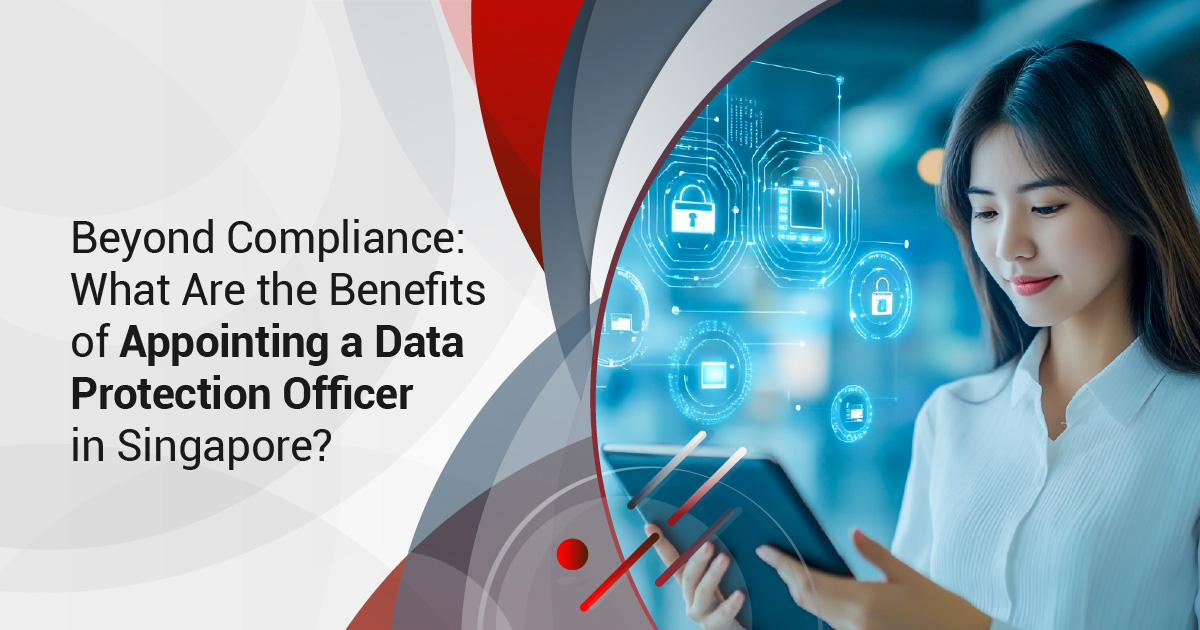
For many businesses in Singapore, appointing a Data Protection Officer (DPO) is seen as a mandatory step to satisfy the Personal Data Protection Act (PDPA). While this is true, viewing the DPO role as a mere compliance checkbox is a missed opportunity. A well-appointed DPO offers strategic advantages that extend far beyond legal necessity, transforming data governance from a defensive measure into a source of business value.
An effective DPO does more than just ensure you follow the rules; they build a culture of data responsibility that strengthens customer trust, enhances operational efficiency, and fortifies your business against ever-present cyber threats. This proactive approach to data management is a competitive differentiator in a market where data is one of the most valuable assets.
This article explores the tangible benefits of appointing a DPO, moving the conversation from a compliance burden to a strategic investment. We will examine how a dedicated DPO improves risk management, builds consumer confidence, and streamlines internal processes, ultimately protecting your bottom line.
Key Takeaways
- Appointing a Data Protection Officer (DPO) demonstrates a commitment to data privacy, enhancing brand reputation and customer confidence.
- A DPO moves beyond simple compliance by implementing processes like Data Protection Impact Assessments (DPIAs) to identify and mitigate privacy risks before they escalate into breaches.
- By establishing clear data governance policies, a DPO streamlines operations, reduces human error, and eliminates redundant data collection, which cuts costs.
- An effective DPO champions a company-wide culture of data protection through training, ensuring that privacy becomes an integral part of daily operations.
- An outsourced DPO provides access to specialised expertise, helping businesses navigate evolving data protection laws and manage compliance without the overhead of a full-time hire.
What is a Data Protection Officer?

Under Singapore’s PDPA, every organisation must appoint at least one individual as a DPO. This person is responsible for overseeing the organisation’s data protection strategy and ensuring compliance with the Act. The DPO acts as the central point of contact for all data privacy matters, liaising between the company, its customers, and regulatory bodies like the Personal Data Protection Commission (PDPC).
The core responsibilities of a DPO include:
- Developing and implementing data protection policies and procedures.
- Conducting regular risk assessments and data protection impact assessments (DPIAs).
- Managing and responding to data breaches and customer inquiries about data handling.
- Providing data protection training to staff to foster a compliant culture.
While any employee can be appointed as the DPO, the role requires a specific skill set, including a deep understanding of the PDPA, risk management expertise, and strong communication abilities.
What Are the Strategic Benefits of Appointing a DPO?

Appointing a DPO is more than a legal formality. It is an investment in your company’s resilience and reputation. Here are the key benefits that go beyond simple compliance.
1. Enhanced Customer Trust and Brand Reputation
In an age of frequent data breaches, consumers are more aware than ever of how their personal information is handled. A publicly designated DPO sends a powerful message: your company takes data privacy seriously. This transparency builds trust and can become a significant brand differentiator.
When customers know there is a dedicated expert overseeing the protection of their data, they feel more secure sharing their information. This confidence translates into greater loyalty, higher engagement, and a stronger brand reputation. A DPO serves as a public face for your commitment to privacy, turning a regulatory requirement into a tool for building lasting customer relationships.
2. Proactive Risk Management and Breach Prevention
A DPO’s primary function is not just to respond to breaches but to prevent them from happening in the first place. By conducting regular Data Protection Impact Assessments (DPIAs), a DPO can identify and mitigate privacy risks before they escalate.
For instance, before launching a new marketing campaign that involves collecting customer data, a DPO would assess the entire data lifecycle. They would analyse how data is collected, stored, used, and eventually deleted, ensuring each step complies with the PDPA.
This proactive oversight helps identify vulnerabilities, such as inadequate encryption or unnecessary data collection, allowing the company to fix them before a breach occurs. In the event of an incident, a DPO leads a structured response, minimising damage and ensuring all legal notification requirements are met swiftly.
3. Improved Operational Efficiency and Data Governance
Effective data governance is not about restricting data use; it is about enabling its safe and efficient use. A DPO helps establish clear data handling policies and processes across all departments, from marketing to HR. This creates a standardised framework that streamlines operations and reduces ambiguity.
With clear guidelines, employees understand their responsibilities when handling personal data. This reduces the risk of human error, a leading cause of data breaches. Furthermore, by mapping out data flows and maintaining a comprehensive data inventory, a DPO helps eliminate redundant data collection and storage. This not only improves security but also reduces data management costs and makes business processes more efficient.
4. Navigating Evolving Data Protection Laws
Data protection laws are not static. Regulations in Singapore and across the globe are constantly evolving. A dedicated DPO is responsible for staying current with these changes and ensuring your organisation adapts accordingly.
For example, when amendments to the PDPA introduced mandatory data breach notifications and increased financial penalties, it was the DPO’s role to update internal policies, retrain staff, and ensure the company’s incident response plan was aligned with the new requirements. Without an expert focused on these developments, a business could easily fall out of compliance, exposing itself to significant legal and financial risks.
5. Fostering a Culture of Data Responsibility
Compliance cannot be the responsibility of a single person. A DPO champions a company-wide culture where every employee understands the importance of data protection. Through regular training sessions and clear communication, the DPO embeds privacy-conscious thinking into the daily activities of the organisation.
This cultural shift is perhaps the most powerful long-term benefit. When data protection becomes everyone’s responsibility, the organisation becomes inherently more resilient. Employees are empowered to identify potential risks, question unsafe data handling practices, and contribute to a secure data environment. This collective ownership is the foundation of a robust and sustainable data protection program.
Outsourced DPO: An Expert Solution

For many small and medium-sized enterprises (SMEs), appointing an existing employee as DPO can be challenging. The role demands specialised knowledge and time that an employee with other core responsibilities may not have. This is where an outsourced DPO service becomes a valuable option.
An outsourced DPO provides access to a team of data protection experts without the cost of a full-time hire. These professionals bring extensive experience from various industries, offering best-practice insights and ensuring your compliance program is both effective and efficient. This model allows you to leverage expert knowledge on a flexible basis, ensuring your business remains protected while you focus on growth.
Related Read: Guide to Choosing a Data Protection Officer for Your Company in Singapore
Engage Your DPO Now
Appointing a DPO in Singapore is a legal requirement, but its true value lies far beyond compliance. A DPO is a strategic asset who enhances customer trust, strengthens security, improves operational efficiency, and future-proofs your business against regulatory changes. By moving beyond a “check-the-box” mentality, you can transform your data protection obligations into a competitive advantage.
Partnering with a professional services firm to appoint an outsourced DPO can provide the expert guidance needed to build a robust data governance framework. This ensures your business not only complies with the law but also thrives in a data-driven world.
Are you ready to transform your data protection strategy from a burden into a business asset? Contact our team today to learn how our outsourced DPO services can help you achieve compliance and build a culture of data responsibility.
FAQs about Appointing a Data Protection Officer in Singapore
Is it mandatory to appoint a data protection officer?
- Yes, it is mandatory to appoint a Data Protection Officer (DPO) in Singapore under the Personal Data Protection Act (PDPA). Every organisation that collects, uses, or discloses personal data must designate at least one individual as a DPO.
Who can be a data protection officer in Singapore?
- In Singapore, under the PDPA, any individual within or outside the organisation can be appointed as a DPO, provided they are capable of fulfilling the responsibilities of the role.
How do I appoint a DPO in ACRA?
- Access ACRA Bizfile+, log in with your organisation’s Corppass credentials, navigate to DPO registration and submit the registration.
Learn how our PDPA team can assist you!
About the Author