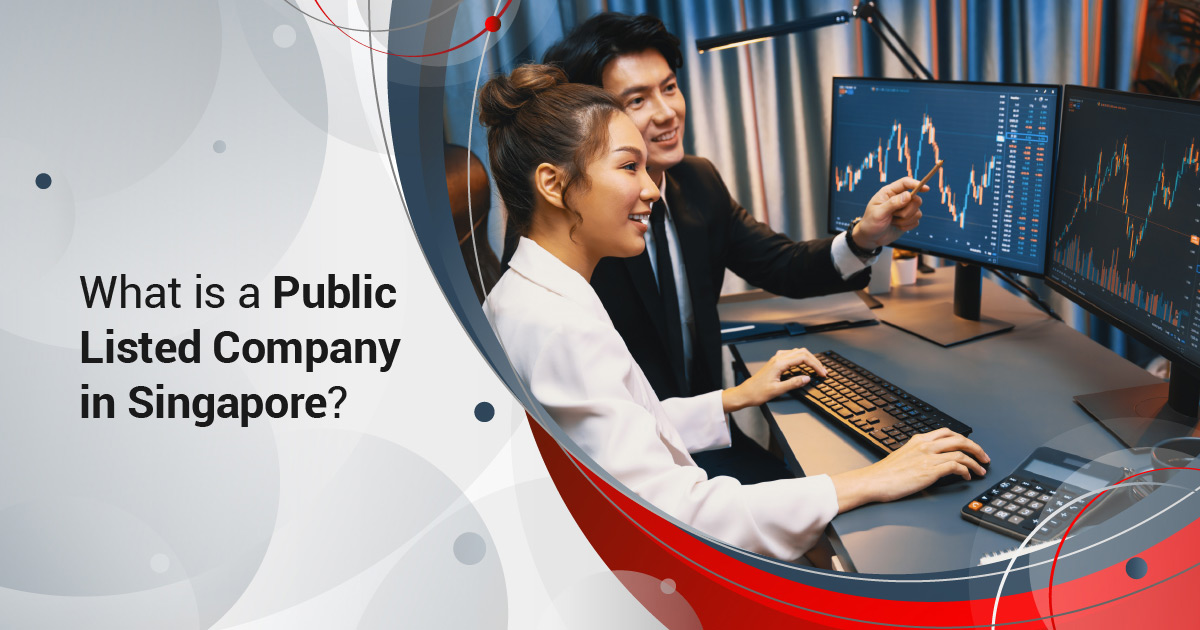
Taking a company public is a monumental step, marking a transition from private ownership to public trading. In Singapore, this milestone involves listing on the Singapore Exchange (SGX) and signifies a new chapter of growth, visibility, and regulatory responsibility. For many business owners, this path is the ultimate ambition, but it comes with a unique set of demands and complexities.
This guide provides a clear overview of what it means to be a public listed company in Singapore. We will explore the rigorous SGX listing process, weigh the significant benefits against the considerable challenges, and outline the key steps involved in a successful Initial Public Offering (IPO).
Key Takeaways
- Going public through an Initial Public Offering (IPO) on the Singapore Exchange (SGX) unlocks substantial capital for expansion, innovation, and strategic acquisitions.
- A public listing elevates your company’s visibility and credibility, strengthening its brand reputation with customers, suppliers, and investors.
- The path to listing involves meticulous preparation, including choosing between the SGX Mainboard and Catalist, undergoing due diligence, and gaining regulatory approval from MAS.
- Public companies face stringent regulatory compliance, continuous disclosure obligations, and intense market pressure to deliver consistent performance.
- While offering enhanced liquidity and prestige, becoming a public company involves a loss of founder autonomy and requires a new level of accountability to shareholders.
What is a Public Listed Company?
A public listed company is a business that has offered its shares to the general public through an IPO. These shares are then traded on a stock exchange. In Singapore, that exchange is the SGX. This process fundamentally changes a company’s structure, ownership, and obligations.
Unlike a private limited company where shares are held by a small group of founders, family members, or investors, a public listed company can have thousands of shareholders. This broad ownership base provides access to substantial capital but also requires a high degree of transparency and accountability. The company must adhere to the stringent rules set by the SGX and the Monetary Authority of Singapore (MAS) to protect public investors.
Key characteristics include:
- Public Ownership: Shares are available for purchase by the general public on a stock exchange.
- Regulatory Scrutiny: Operations and financial reporting are subject to strict oversight by regulatory bodies.
- Capital Access: The ability to raise funds from the public market through share offerings.
- Transparency: A legal requirement to disclose financial performance and significant corporate information regularly.
The Path to an SGX Listing: The IPO Process in Singapore
Going public is not an overnight process. It involves a meticulous, multi-stage journey that requires careful planning and collaboration with financial advisors, lawyers, and underwriters. The IPO process in Singapore is designed to ensure that only credible and stable companies are presented to public investors.
Choosing the Right Board

The first strategic decision is selecting which SGX board to list on. The SGX operates two main boards:
- Mainboard: This is for larger, more established companies with a proven track record of profitability. The entry requirements are higher, demanding a significant market capitalisation and a history of profitable operations. To list here in 2026, a company must achieve a minimum consolidated pre-tax profit of at least S$10 million for the latest financial year with an operating track record of at least 3 years.
- Catalist: Designed for smaller, high-growth companies, the Catalist board has more flexible entry criteria. Instead of meeting specific financial thresholds, a company must be sponsored by an accredited “Sponsor” who assesses its suitability for listing.
Key Stages of an IPO
The IPO journey can be broken down into several distinct phases:
- Pre-IPO Preparation: This stage involves internal restructuring and strategic planning. The company assembles an expert team, including an issue manager (investment bank), lawyers, and auditors. A thorough due diligence process begins, where every aspect of the business is scrutinised.
- Prospectus Drafting: A detailed prospectus is created. This legal document provides comprehensive information about the company, its financials, business strategy, risks, and the terms of the share offer. It must be lodged with the MAS for review.
- SGX Application and Review: The formal listing application is submitted to the SGX. The exchange reviews the application and prospectus to ensure all regulatory requirements are met. For Catalist listings, the Sponsor plays a crucial role in guiding this process.
- Marketing and Book-Building: The management team embarks on roadshows to market the IPO to institutional investors. This helps gauge interest and determine the final offer price for the shares.
- Listing and Trading: Once approved, the company’s shares are officially listed on the SGX, and public trading begins. This marks the successful completion of the IPO.
What Are the Benefits of a Public Listing in Singapore?

Becoming a public listed company offers transformative advantages that can accelerate growth and elevate a company’s standing in the market.
Enhanced Access to Capital
The primary motivation for going public is to raise significant capital. An IPO provides a massive influx of funds that can be used for expansion, research and development, acquisitions, or paying down debt. Furthermore, being listed allows for future fundraising through secondary offerings.
Increased Prestige and Visibility
A public listing on the SGX significantly boosts a company’s public profile and credibility. It signals stability and transparency, enhancing its reputation with customers, suppliers, and potential partners. This heightened visibility can translate into a stronger brand and increased market share.
Liquidity for Shareholders
For early investors and founders, an IPO provides an opportunity to liquidate their holdings and realise the value of their investment. It creates a public market for the company’s shares, making it easier for shareholders to buy and sell their stakes.
What Are the Challenges of Being a Public Company?
While the benefits are compelling, the responsibilities and pressures of being a public listed company are equally significant.
Stringent Regulatory Compliance
Public companies must comply with a host of continuous disclosure obligations. This includes publishing quarterly and annual financial reports, announcing material information promptly, and adhering to the corporate governance code. The cost and effort required to meet these compliance demands can be substantial.
Loss of Control and Autonomy
Founders and original owners will see their control diluted as ownership is spread among public shareholders. Management decisions must now consider the interests of all shareholders, and the company becomes accountable to a board of directors and the public.
Intense Market Scrutiny
The company’s performance is constantly under the microscope. Share prices can be volatile, reacting to quarterly earnings reports, market sentiment, and broader economic news. This relentless focus on short-term results can create immense pressure on management to perform.
What Are the Benefits of a Public Listing in Singapore?

The journey to becoming a public listed company in Singapore is a complex undertaking that requires specialised expertise. From preparing for due diligence to navigating the intricacies of the SGX listing rules, every step must be managed with precision.
At InCorp, we guide businesses through the entire IPO process. Our team helps you assess your readiness for a public listing, prepare the necessary financial documentation, and ensure compliance with all regulatory frameworks. We provide the strategic support needed to manage the complexities of an SGX listing, allowing you to focus on leading your business toward its next phase of growth.
Contact our experts today to explore how your company can successfully navigate the path to becoming a public listed company.
FAQs about Public Listed Company in Singapore
What is the difference between a private and public listed company?
- One key difference between the two is that a private company is not traded on any stock exchange while a public listed company is.
What are some public listed company examples?
- Examples include UOB, SingPost, and Singtel.
What is an unlisted public company?
- An unlisted public company is a type of public company that is not listed on a stock exchange. While it shares some characteristics with listed public companies, such as the ability to raise capital from the public, it operates under different conditions.
Go public with reliable and professional advice from the experts!
About the Author