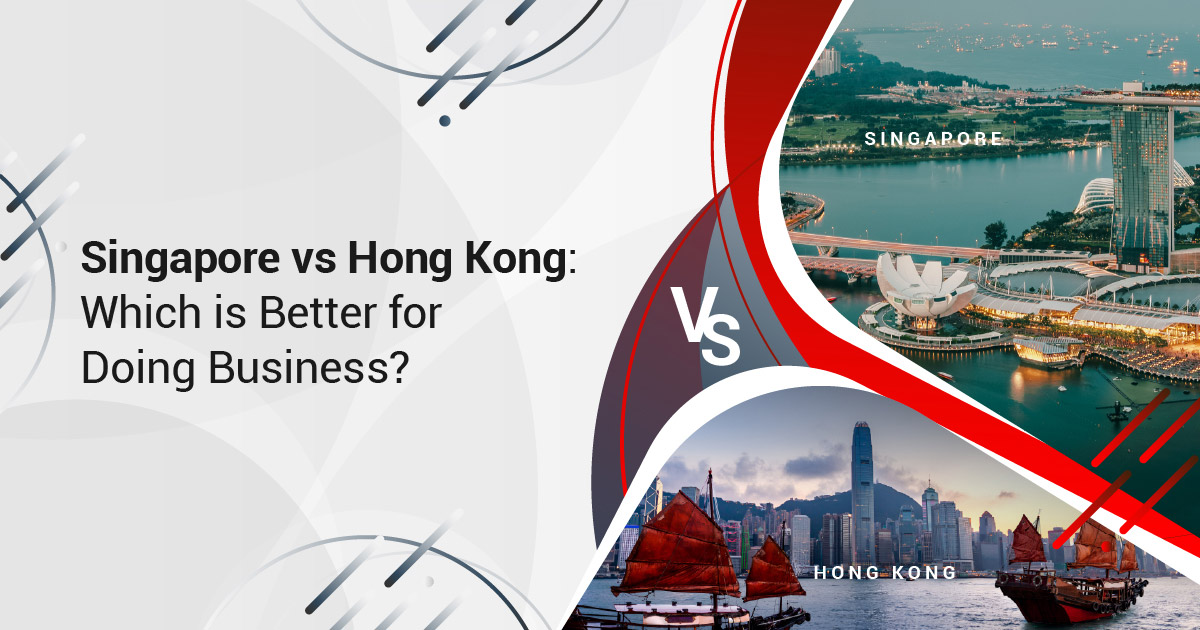
Business leaders expanding into Asia face an almost binary choice between two cities that once looked identical. Singapore and Hong Kong both inherited British common law, built reputations on low taxation, and served as regional trading posts. Those parallels matter less now than they did five years ago.
Singapore has become the preferred base for Western multinationals prioritising predictability – a neutral ground where US-China tensions feel distant. Hong Kong offers something different: direct access to Mainland China’s supply chains and financial markets with a depth that Singapore lacks.
Which suits your business? The answer depends on your target market, your sector, and your appetite for geopolitical exposure. Here is what the 2025-2026 data tells us.
Key Takeaways
- Singapore offers economic predictability and stable growth (4.2%), serving as a neutral base for Western multinationals. Hong Kong remains the critical gateway to Mainland China, though its outlook is more closely tied to geopolitical shifts.
- Both cities allow rapid digital incorporation (1–3 days), but Singapore mandates at least one local resident director, whereas Hong Kong allows for 100% foreign non-resident directors.
- Hong Kong offers a simpler two-tier tax system with zero GST, benefiting retail businesses. Singapore combines a 17% corporate rate with a 9% GST, offset by generous startup exemptions and incentives for regional headquarters.
- Hong Kong is the premier venue for IPOs and equity fundraising, raising significant capital in 2025. Singapore’s financial strengths lie in family offices, wealth management, and REITs. Choose Singapore for regional headquarters, deep tech R&D, and ASEAN expansion. Select Hong Kong for finance, asset management, and businesses targeting the Greater Bay Area consumer market.
Singapore vs Hong Kong: Economic Outlook and Stability
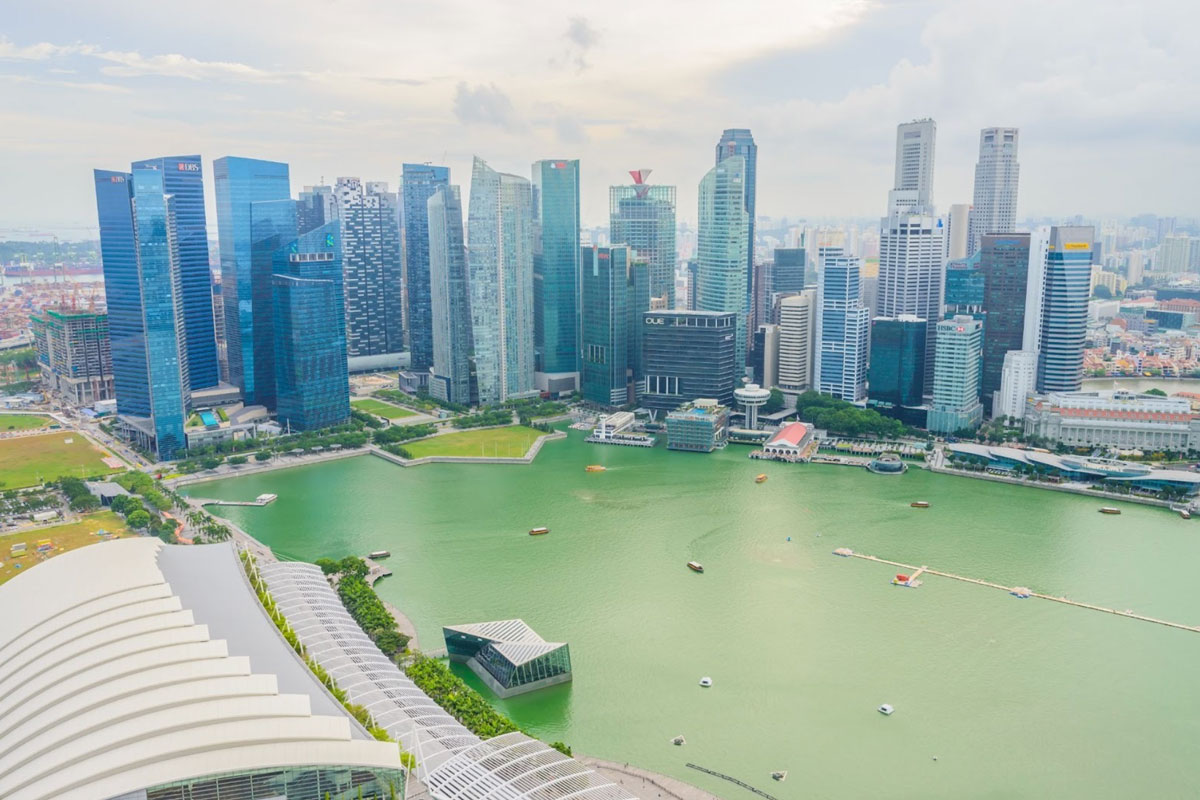
Singapore’s 2025 numbers favour cautious optimism. The Monetary Authority of Singapore (MAS) projects reports that the city-state’s economy grew 4.2% year-on-year in Q3 2025, with semiconductors and artificial intelligence investment doing the heavy lifting. Inflation stays predictable, with core inflation sitting at 0.5% to 1.5% forecast for 2026.
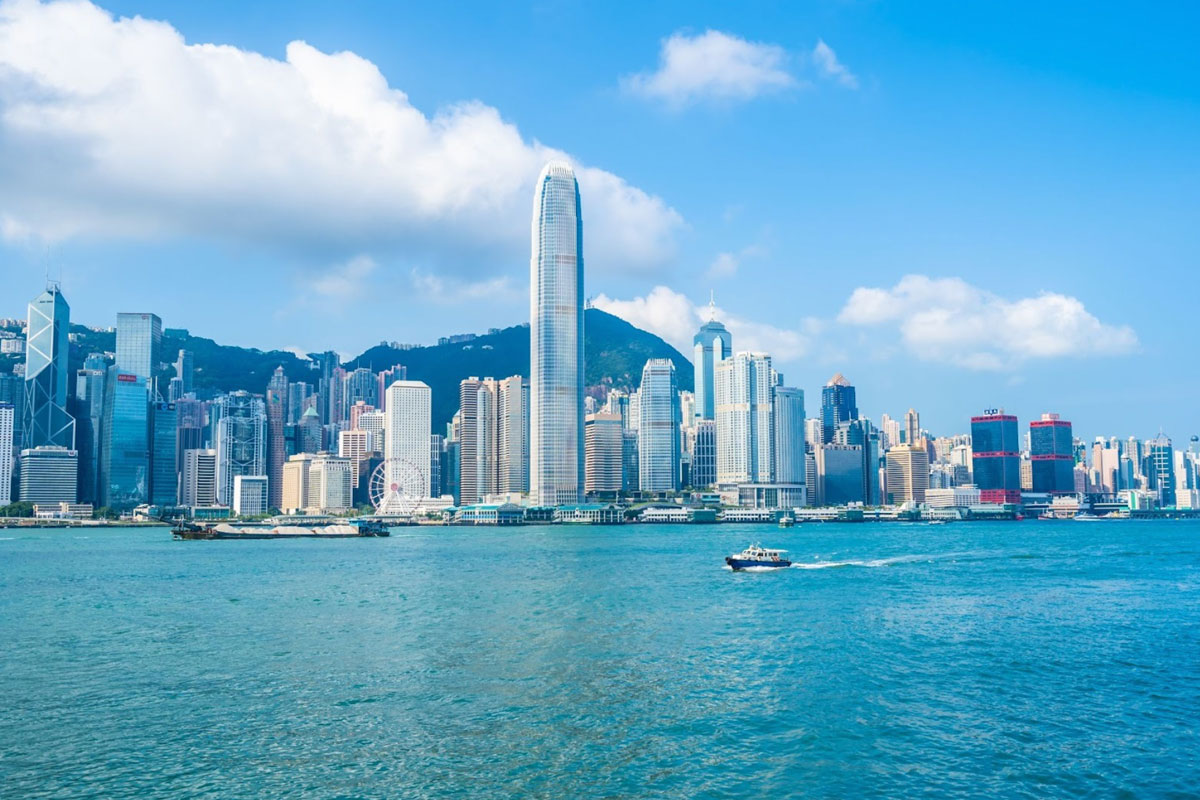
Hong Kong tells a different story. Growth was at 0.7% growth for Q3 2024, and the variability of that figure depends heavily on Mainland China’s recovery and US interest rate cycles.
In terms of geopolitical risk, the American Chamber of Commerce surveys show 67% of businesses expect US-China relations to worsen. The same survey found 79% have no plans to leave Hong Kong. Most companies have priced political uncertainty into their operations and moved on.
Singapore vs Hong Kong: Company Incorporation and Setup
Both cities make registration fast. In our experience, Singapore’s digital system through ACRA takes 1–3 days – incredibly fast by global standards. Hong Kong’s Companies Registry moves even faster – generally one working day via e-filing.
The real difference usually lies with director requirements. Singapore mandates at least one local resident director (a citizen, Permanent Resident, or EntrePass holder). This makes nominee director services invaluable. Hong Kong skips this requirement entirely, as directors can live anywhere in the world.
For remote operations or holding structures, this distinction matters. A business owner in London or New York can establish a Hong Kong entity without relocating staff or hiring nominees. Singapore demands boots on the ground – or at least a paid substitute for them.
Singapore vs Hong Kong: Tax Structures
Singapore’s headline corporate rate stands at 17%, but few companies pay that. Startups receive a 75% exemption on the first S$100,000 of chargeable income, plus 50% on the next S$100,000 for their first three years. Large multinationals can negotiate rates as low as 5% to 10% for regional headquarters.
Hong Kong takes a simpler route. A two-tier system taxes the first HK$ 2 million at 8.25%, with 16.5% on profits above that threshold. No applications, no startup status required – the lower rate applies automatically.
The indirect tax gap widens the picture. Hong Kong charges zero GST or VAT. Singapore’s GST hit 9% in 2024, affecting both operational costs and consumer pricing. For retail and consumer-facing businesses, Hong Kong’s zero-rate environment offers a structural edge that Singapore cannot match on paper.
Singapore vs Hong Kong: Financial Markets and Capital Raising
If your exit strategy involves going public, this section deserves attention. Hong Kong’s IPO market has roared back to life, with HK$ 259.4 billion raised through the first eleven months of 2025, a 228% increase year-on-year. The exchange has become the launchpad for Chinese companies expanding globally, cementing its position as Asia’s premier equity fundraising venue.
Singapore’s stock exchange tells a quieter story. Just four IPOs in 2024, raising a combined US$30 million, against 14 delistings. The SGX has pivoted toward REITs and yield-focused instruments rather than growth equity.
Asset management paints a more balanced picture. Hong Kong manages roughly HK$35.1 trillion (US$4.53 trillion) with over 2,200 licensed managers. Singapore sits at S$6.07 trillion (US$4.46 trillion) but grows faster in the family office segment. Different pools, different swimmers.
Singapore vs Hong Kong: Talent and Labour Costs

Singapore ranks first globally for labour market competitiveness and skilled labour availability. Hong Kong holds fourth place in global talent rankings, defying predictions of mass exodus. Both cities have rolled out elite visa schemes to attract senior professionals – Singapore’s ONE Pass and Hong Kong’s Top Talent Pass.
The salary gap runs wider than many expect. A Marketing Manager in Singapore earns S$160,000 to S$170,000 annually (approximately US$127,000). The same role in Hong Kong pays around HK$600,000 (approximately US$77,000).
Fewer Hong Kong employers plan salary increases in 2025, and pay cuts appear more frequently as companies manage costs. For businesses building large teams, Hong Kong currently offers access to qualified professionals at a lower price point than Singapore’s tight, expensive market.
Related Read: Is the Singapore ONE Pass or Hong Kong Top Talent Pass Better?
Summary: Which City Fits Your Business?
Singapore works best for:
- Regional headquarters targeting Indonesia, Vietnam, Malaysia, or India
- Deep tech, biotech, and R&D operations seeking government grants and IP incentives
- Family offices prioritising wealth preservation and political neutrality
- Western technology firms wanting distance from US-China friction
Hong Kong works best for:
- Finance, asset management, and IPO-focused businesses needing market depth
- Companies expanding into Mainland China and the Greater Bay Area
- Retail and luxury brands benefiting from zero GST
- Trading operations requiring RMB settlement and China-focused contracts
The right answer depends on where your customers sit and where your capital needs to flow.
Where to Next With InCorp
Neither city wins outright, but your circumstances might favour one clearly. Singapore offers stability, regional reach across ASEAN, and government-backed incentives that reward long-term commitment. Its regulatory predictability appeals to businesses building for the next decade. Hong Kong delivers financial depth and China access, though with greater exposure to geopolitical shifts.
InCorp operates across both markets, providing company incorporation, corporate secretarial services, accounting, tax advisory, and visa applications in Singapore and Hong Kong alike. Whether you need a regional headquarters in Singapore or a China-facing entity in Hong Kong, our teams can structure the right approach. Contact us today to map out your next move.
FAQs about Singapore vs Hong Kong
Which city has lower corporate tax rates?
- Both cities offer competitive rates, but Singapore's incentive structure often delivers lower effective rates. Startups receive 75% exemption on the first S$100,000 of profits for three years, while regional headquarters can negotiate rates as low as 5%. Hong Kong's simpler two-tier system taxes the first HK$2 million at 8.25%.
Which city offers better access to regional markets?
- Singapore serves as the gateway to ASEAN's 700 million consumers across Indonesia, Vietnam, Malaysia, Thailand, and the Philippines, plus growing trade links with India. Hong Kong focuses primarily on Mainland China and the Greater Bay Area. For businesses targeting Southeast Asia's diverse economies, Singapore offers broader geographic reach.
Which city ranks higher for business competitiveness?
- Singapore ranks first in the IMD World Competitiveness Ranking 2024, while Hong Kong sits fifth. Singapore also ranks first globally for labour market competitiveness and skilled labour availability, reflecting its success in creating a streamlined environment for commerce and attracting global talent.
Establish your social enterprise in Singapore with ease
About the Author